Only for a While
Alexander Androv
Translated from the Bulgarian · Само за известно време
This must be some sort of impression. My genres limp a little.
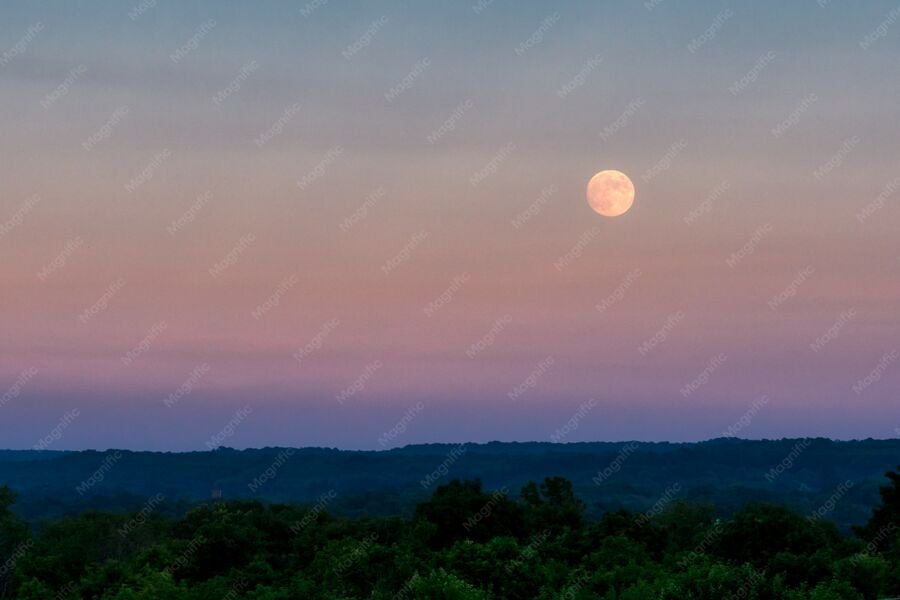
Several large kites had soared into the night sky. The night sky was brightly lit by the bright round moon, who enters this story because she was confident she could be a heroine, and not because she shone so roundly and with such oriental splendour.
The kites had surged towards the tops of the pines and hovered in disarray. How they managed to surge and hover at the same time remained a nocturnal riddle. Their colours were lost in the moonlight. Their shape was acceptable.
To the sound of their flapping tails, the cart track wound on for about half a unit of measurement of your choice and then ended before the sign “Water Protection Zone. No Trespassing”. Water protection zones were not hospitable. The kites didn’t much care. They took a run at the forbidden part of the sky above the Water Protection Zone and amused themselves by breaking the signs. Someone had flown the kites as far back as 22 years ago, by describing them in an absurdist story. Later the author died, and the kites freed themselves from the text, settled at the foot of the mountain and devoted themselves to nocturnal hovering with élan. Mainly for the hang-gliders’ sake. Some for the paragliders’ too, though the rumour went about paragliders that they were not very constant in life…
After the death of the author of the original text, the moon vowed not to lapse into a new moon until she had married off the last of the orphaned kites. Alone, without their author, they looked somehow out of place above the dusty road. They behaved like lost children who had wandered into a stranger’s birthday party. This was yet another semblance. And semblances were taken very seriously by them. Having learned of her vow with enormous astonishment, the kites tried to explain to her that they were not the author’s children. That they did not feel orphaned and had no traditional notions about the rules of flying. That midnight hovering was a good way of passing the time, if not patriarchal enough in character. The moon tried to understand and gave way a little, beginning to insist only on keeping certain rules of hygiene and on engagements being publicly announced.
Later on in time the Water Protection Zone flooded the dusty road, submerged the trunks of the surrounding beeches and pines and, with a slightly vain splash, agreed to reflect the shadows of the kites, which often changed. Around the same time the moon, already pushed out of her comfort zone, began to suspect that this would be the most useful thing she could do for the kites. To provide them with changing shadows while they amused themselves, sometimes with hesitant, sometimes with headlong hovering.